The Legend of "La Tirana" and the Old Temple
The "Templo Antiguo de La Tirana" is a site steeped in a blend of indigenous resistance, tragic romance, and deep religious devotion. Its story is inseparable from the Legend of the Tirana, which explains why a sanctuary exists in the middle of the Atacama Desert.
The Legend of "La Tirana"
The story begins around 1535, during the Spanish conquest of Chile. Ñusta Huillac, an Incan princess and daughter of a high priest, fled from the expedition of Diego de Almagro after her father was killed. She took refuge in the thick tamarugo forests of the Pampa del Tamarugal.
She became a fierce leader of a group of Incas, known for her cruelty toward any Spaniards or Christians she captured. Because of her ruthless resistance, she was feared as "La Tirana" (The Tyrant).
Everything changed when her warriors captured Vasco de Almeida, a young Portuguese explorer. Instead of ordering his immediate execution, Ñusta Huillac fell in love with him. Seeking to save his life, she delayed his death, and during their time together, Almeida began to teach her about his Christian faith.
Eventually, she decided to convert and asked Almeida to baptize her. Just as he was performing the rite, her own warriors—feeling betrayed by their leader’s conversion to the enemy's religion—attacked. A shower of arrows killed both lovers instantly. With her dying breath, Ñusta Huillac requested to be buried with a cross over her grave.
The Founding of the Temple
The "story" of the temple itself has three main phases:
The First Hermitage (c. 1540): Years after the tragedy, a Mercedarian missionary named Fray Antonio de Rendón discovered a wooden cross in the forest. Believing the legend, he built a small chapel (hermitage) on that exact spot, dedicated to Nuestra Señora del Carmen (Our Lady of Mount Carmel).
The Templo Antiguo (1765): As the devotion grew, a more formal church was built in 1765. This is what is often historically referred to as the "Templo Antiguo." It was located about 1,500 meters east of where the town stands today. By the mid-19th century, this building fell into ruins after several earthquakes and was eventually used as a cemetery.
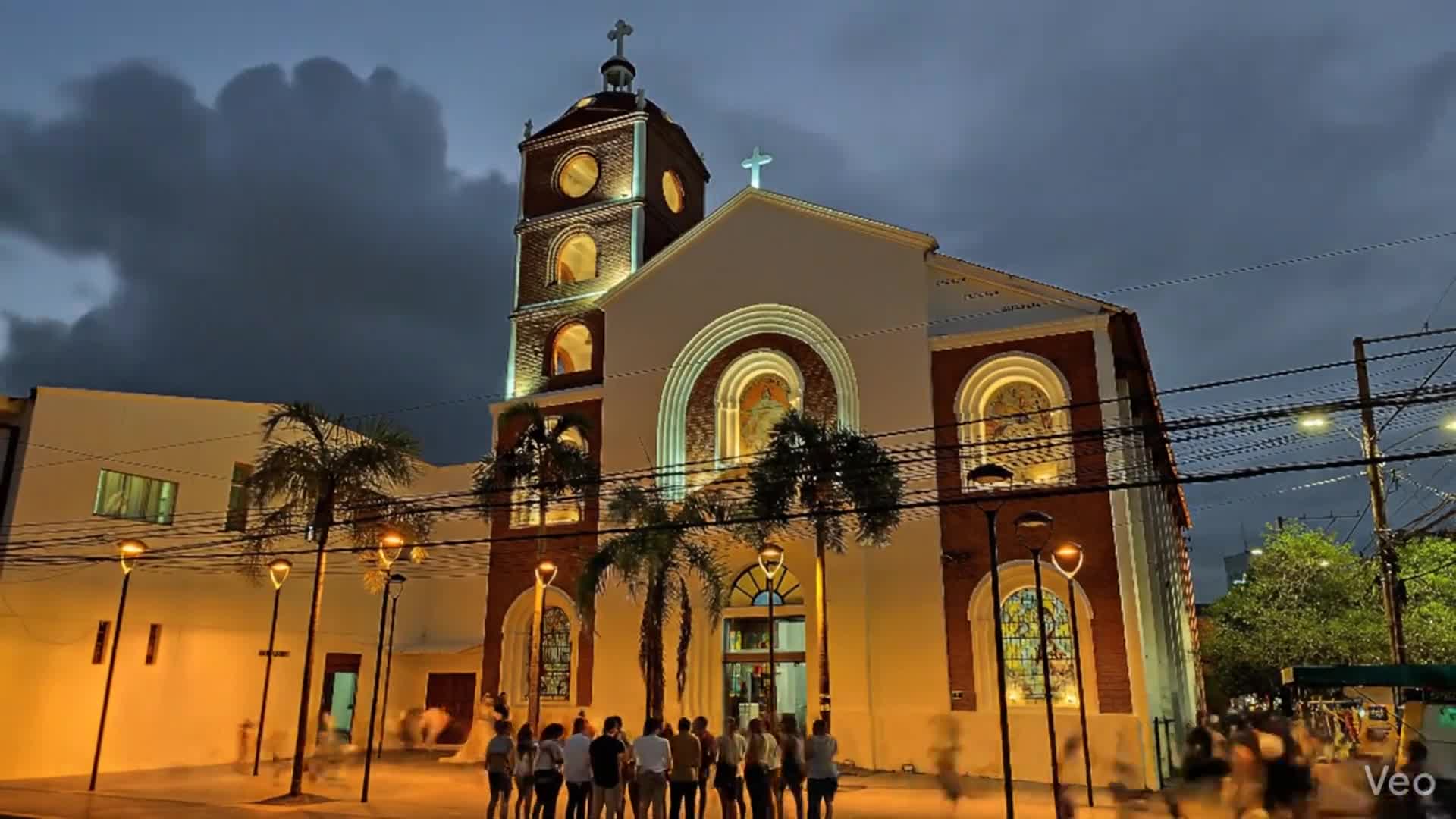
The Modern Sanctuary (1886): The current church that visitors see today in the town square was built in 1886. It was later remodeled and expanded to accommodate the massive crowds that arrive every July.
Why It Matters Today
The story of the Templo Antiguo is the foundation of the Fiesta de La Tirana, held every July 16th.
Syncretism: The festival is a unique blend of Catholic tradition and Andean culture.
The Museum: Today, there is a museum located beneath the modern temple (inaugurated in 2015) that displays artifacts, historical garments, and religious offerings that trace the history of the site back to its legendary roots.
National Monument: The village and the temple area are protected as a Zona Típica (Typical Zone) of Chile, honoring the princess who transformed from a "tyrant" into a symbol of faith for the north.
El Templo Antiguo de La Tirana tiene sus raíces en una de las leyendas más hermosas y trágicas del norte de Chile. Su historia es una mezcla de resistencia indígena, romance prohibido y el nacimiento de una fe que hoy moviliza a miles de personas.
La Leyenda de "La Tirana"
Todo comienza en 1535, durante la expedición del conquistador Diego de Almagro. En su comitiva viajaba la Ñusta Huillac, una princesa inca e hija de un importante sacerdote. Tras el asesinato de su padre a manos de los españoles, la Ñusta huyó junto a un grupo de guerreros hacia los bosques de tamarugos en la Pampa del Tamarugal.
Allí organizó una resistencia feroz. Se convirtió en una líder guerrera temida que ejecutaba a cualquier español o cristiano que cayera en sus manos. Debido a su crueldad y firmeza, se le conoció como "La Tirana del Tamarugal".
El Romance y la Conversión
La historia dio un giro cuando sus guerreros capturaron a un explorador portugués llamado Vasco de Almeida. Aunque la ley dictaba su muerte inmediata, la Ñusta se enamoró profundamente de él. Para salvarlo, retrasó su ejecución utilizando diversos pretextos.
Durante su cautiverio, Almeida le habló de la fe cristiana y del amor universal. Conmovida por sus palabras y su amor, la Ñusta decidió convertirse al cristianismo y pidió ser bautizada.
Sin embargo, sus guerreros, al descubrir que su líder los había "traicionado" al adoptar la religión del enemigo, se sintieron ultrajados. En el momento exacto en que Almeida la bautizaba, los guerreros dispararon una lluvia de flechas contra la pareja. Antes de morir, la Ñusta pidió ser enterrada junto a su amado y que se colocara una cruz cristiana sobre su tumba.
La Evolución del Santuario
El templo que conocemos hoy es el resultado de varios hitos históricos:
La Primera Ermita (c. 1540): Años después de la muerte de los amantes, el misionero mercedario Fray Antonio de Rendón encontró la cruz de madera en medio del desierto. Conmovido por la historia, construyó una pequeña ermita en el lugar bajo la advocación de Nuestra Señora del Carmen.
El Templo Antiguo (1765): Debido a que la devoción crecía, se construyó una iglesia más formal en 1765. Este es el que históricamente se llama "Templo Antiguo". Estaba ubicado un poco más al este del pueblo actual. Con el tiempo, los terremotos lo dañaron y terminó convirtiéndose en un cementerio.
El Santuario Actual (1886): La iglesia que se visita hoy en la plaza principal fue construida en 1886. Tras la Guerra del Salitre, el templo pasó a manos de la administración eclesiástica chilena y fue remodelado para albergar a las crecientes cofradías de baile.
Importancia Actual
Hoy, el Templo de La Tirana es el epicentro de la Fiesta de La Tirana cada 16 de julio.
Sincretismo Cultural: La historia de la princesa inca que se convierte al cristianismo simboliza la mezcla de las culturas andina y española.
Monumento Nacional: El área es considerada Zona Típica, y el templo actual es un símbolo de la identidad del Norte Grande de Chile.
Museo de la Vivencia Religiosa: Debajo del santuario actual existe un museo que preserva la historia de la Ñusta, vestidos antiguos de los bailarines y ofrendas centenarias.
#LaTirana #LeyendasChilenas #ChileHistory #IncaCulture #NustaHuillac #ChileLindo #OverlandChile #AtacamaDesert #RoadTripSouthAmerica #PampaDelTamarugal #Iquique #TravelChile #TravelPhotography #LandscapePhotography #ChileCaptures #SonyAlpha (or your brand) #DesertLife #ChileTravel