A Journey Through Peru’s Heroic History
Exploring El Conjunto Memorial Alto Alianza:
When you travel through the southern reaches of Peru, the landscape begins to shift. The vibrant greens of the Andes give way to the stark, golden beauty of the Atacama Desert’s northern fringe. In the heart of this arid majesty lies Tacna, known affectionately throughout the country as the "Ciudad Heroica" (Heroic City). While Tacna is famous for its duty-free shopping and delicious picante a la tacneña, its true soul resides just a few kilometers outside the city center at the El Conjunto Memorial Alto Alianza.
This is not just a collection of statues or a simple museum; it is a sacred site where history, sacrifice, and national identity converge. For any traveler looking to understand the resilience of the Peruvian spirit, a visit here is non-negotiable.
But before we dive into the deep history and architectural grandeur, let me offer a personal note for your visit: the desert can be a lonely place for the local four-legged residents. Don't forget a bag of leftovers; at the parking space, you'll likely find a couple of nice dogs that chase the cars. They aren't aggressive—they are just the unofficial, hungry guardians of the memorial, and a little treat goes a long way in making your visit feel complete.
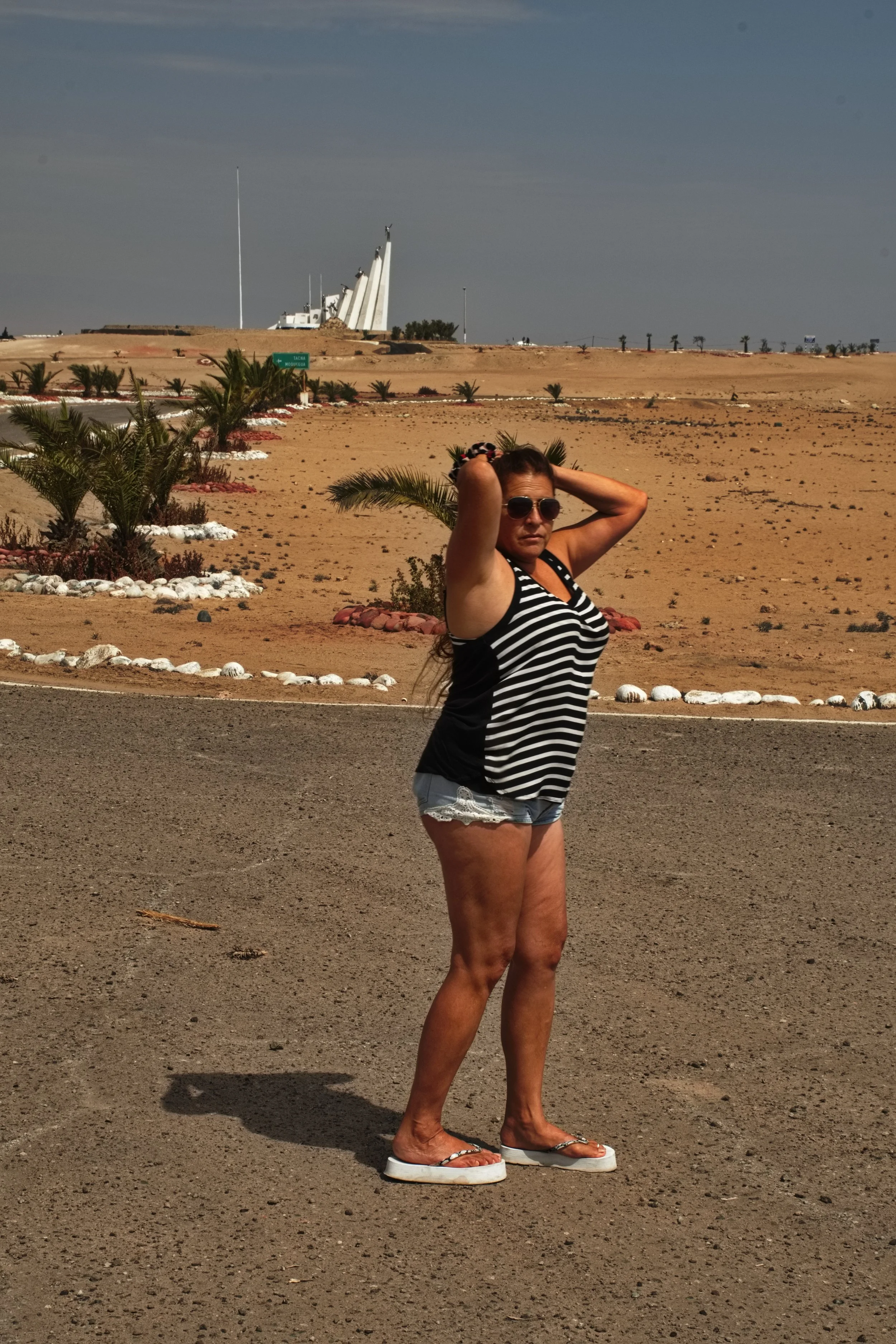
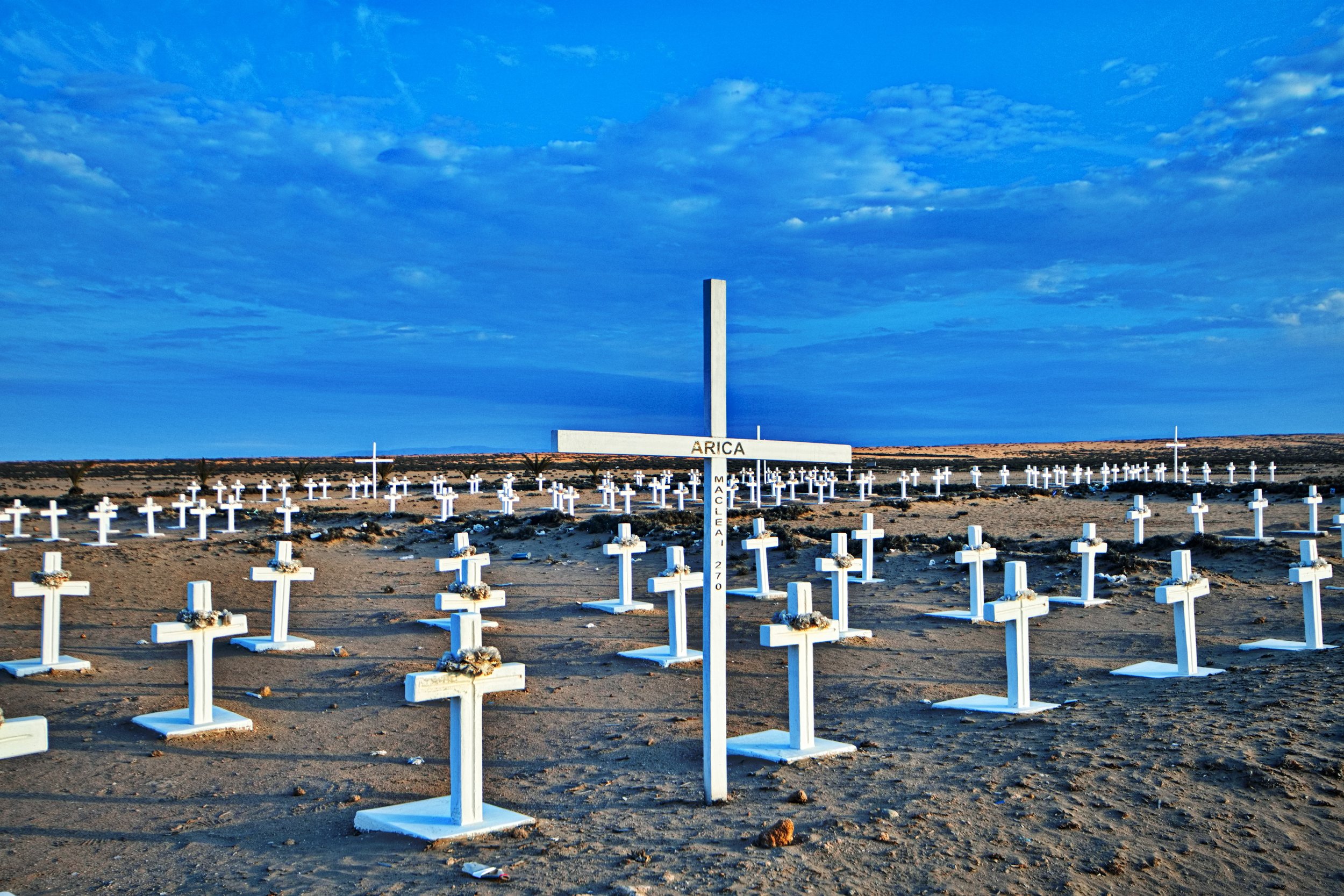
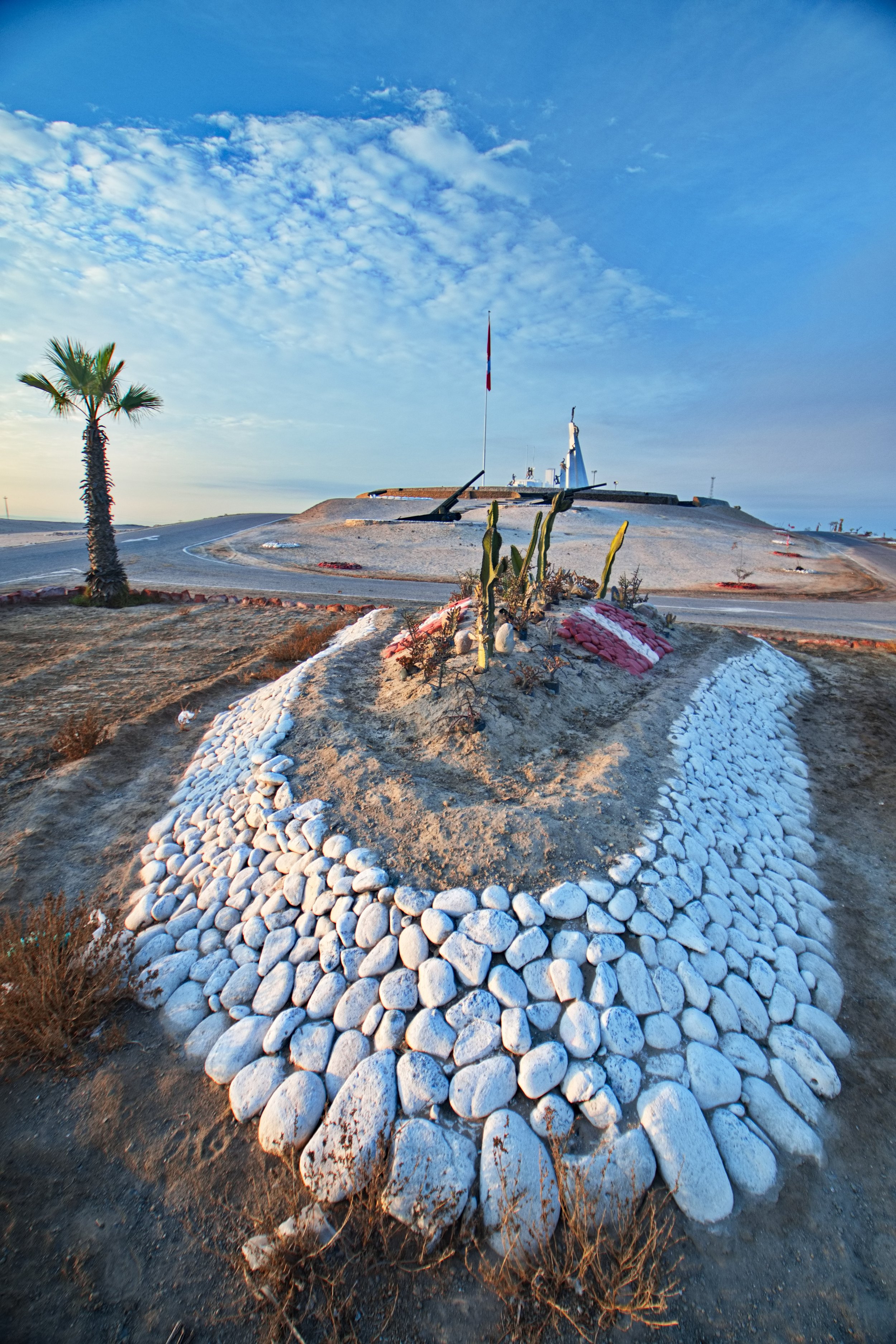
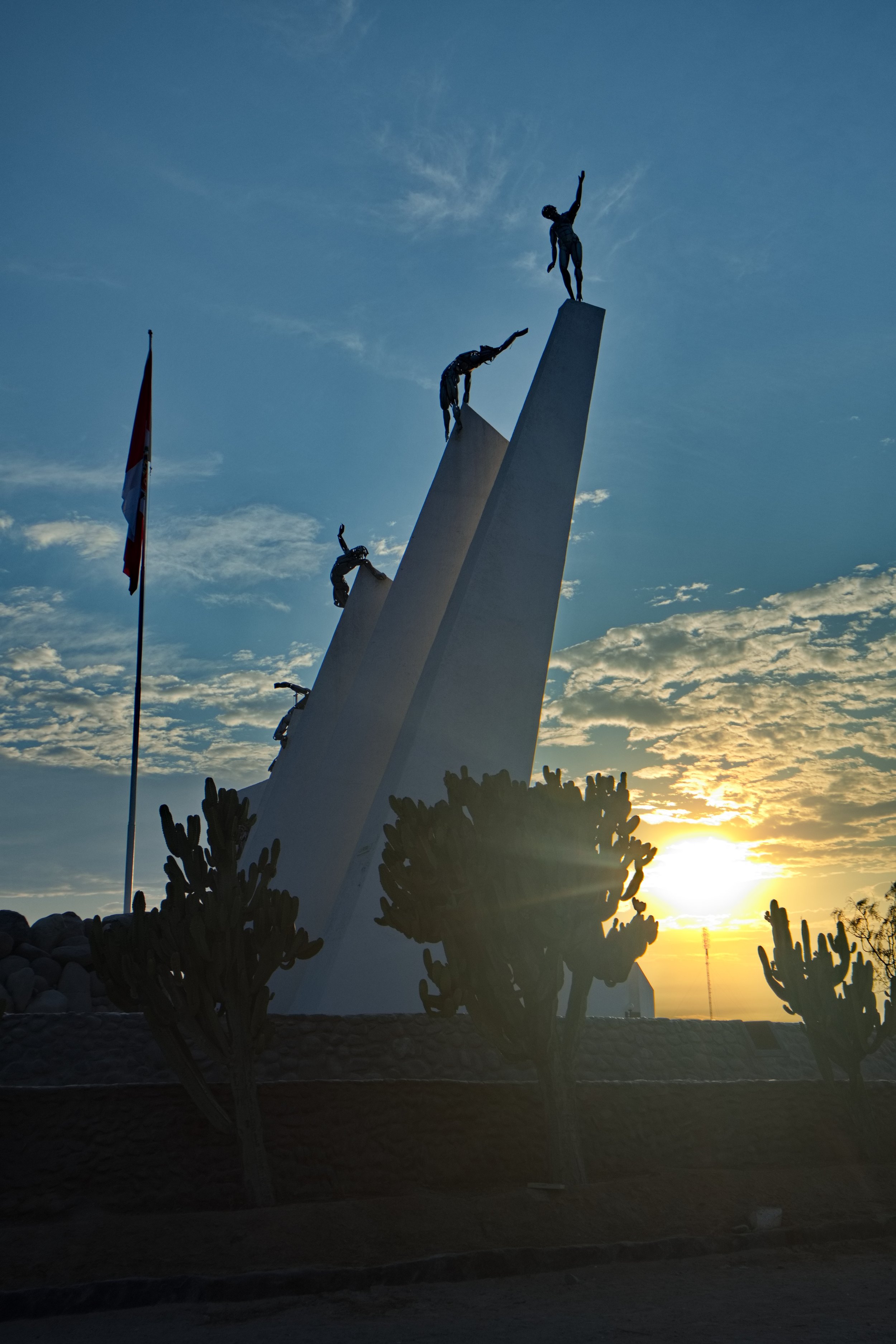
The Weight of History: The Battle of May 26th
To stand on the plateau of the Alto de la Alianza is to stand on a site of profound historical consequence. This was the location of the Battle of Tacna, fought on May 26, 1880, during the War of the Pacific. This conflict saw Chile pitted against a coalition formed by Peru and Bolivia.
The battle at Alto de la Alianza was one of the largest and most bloody engagements of the war. Thousands of soldiers from the Allied army—consisting of both Peruvians and Bolivians—fought valiantly against a numerically superior and better-equipped Chilean force. The stakes were incredibly high; the loss of this plateau essentially broke the back of the alliance, leading to the eventual withdrawal of Bolivian forces from the war and leaving Peru to fight on alone for several more years.
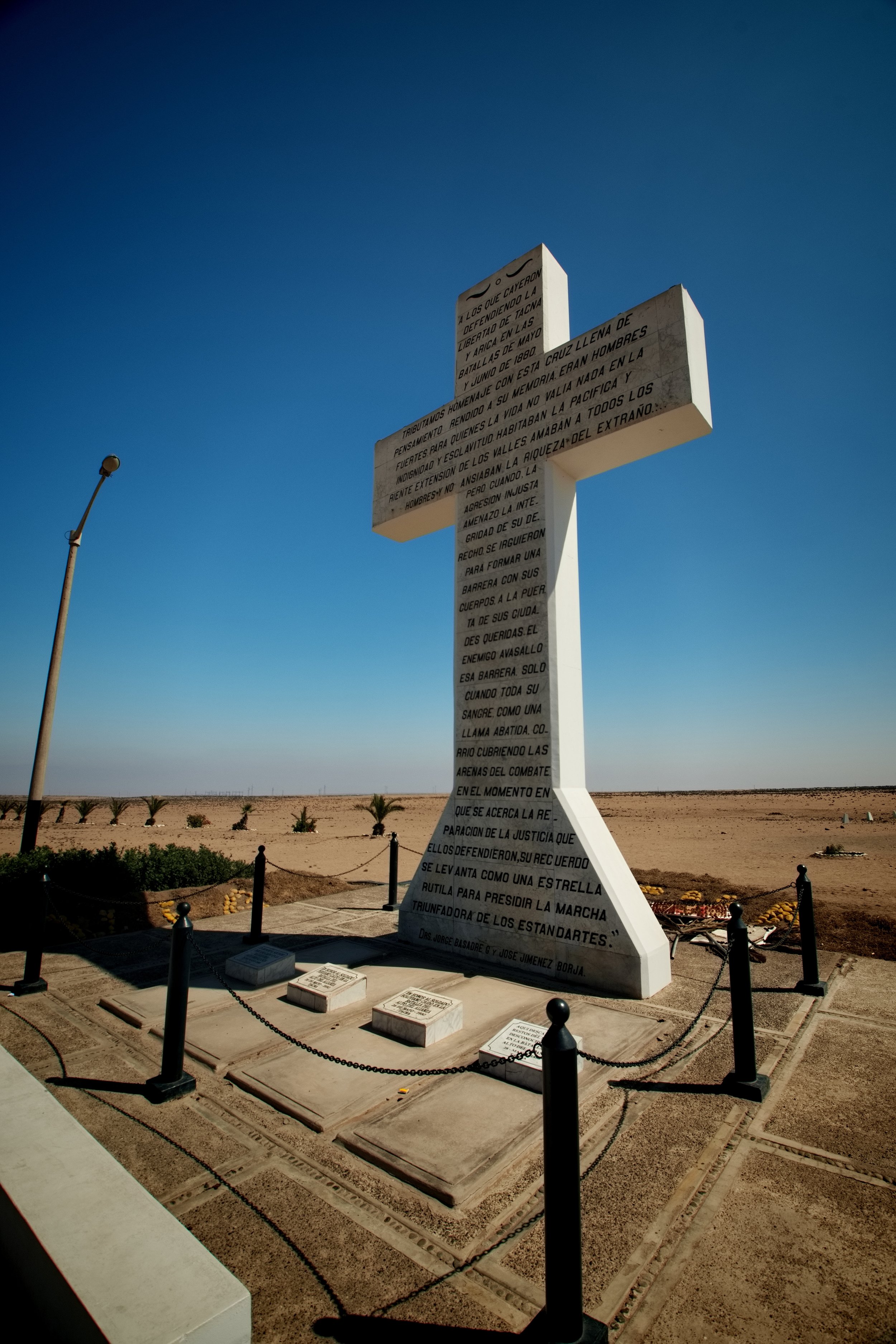
The memorial today serves as a poignant reminder of that day. It honors the bravery of those who stood their ground in the scorching desert heat, fighting for every inch of sand. For Peruvians, it is a site of "Redemption and Honor," symbolizing a refusal to surrender even in the face of overwhelming odds.
Architectural Majesty: A Neoclassical Tribute
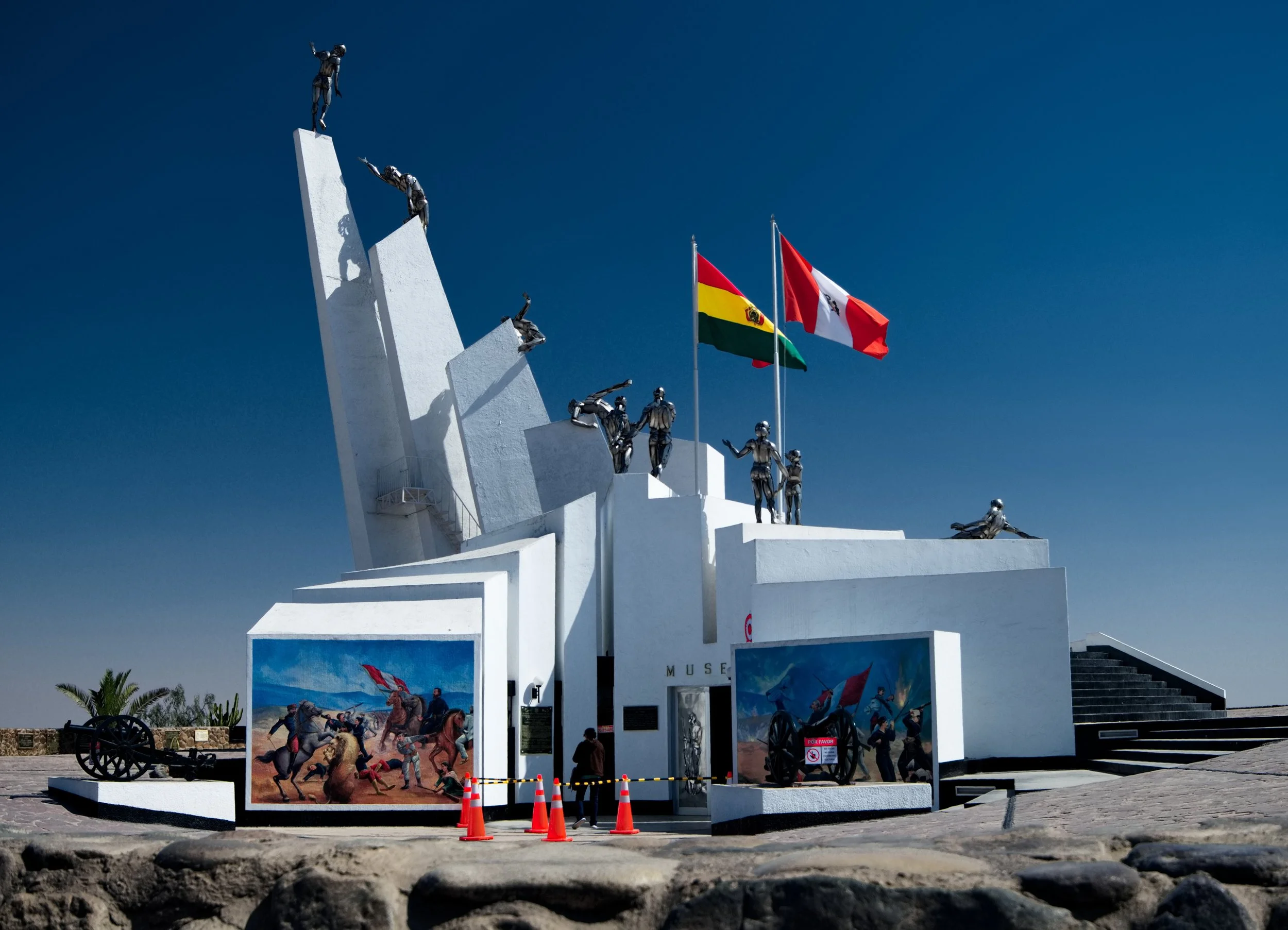
The monument complex itself is a masterpiece of symbolic architecture. Designed and inaugurated in the early 1980s, the site is dominated by a massive obelisk that pierces the bright blue desert sky. This 18-meter-high structure is more than just a pillar; it is a beacon that can be seen from miles away, signaling the entrance to this historic sanctuary.
The architecture is a blend of neoclassical influences and modern symbolic art. As you walk through the complex, you will encounter:
The Monumental Sculptures: Eight massive figures represent the different stages of the history of the Peruvian-Bolivian alliance and the various groups that fought in the battle. These statues are imposing and evoke a sense of solemnity.
The Museum of Site (Museo de Sitio): Tucked within the complex is a museum that acts as a time capsule. It houses authentic uniforms, rusted bayonets, letters written by soldiers to their families, and detailed maps of the battlefield. It provides a visceral connection to the men who lived and died on this ground.
The Eternal Flame: Often lit during ceremonies, the flame represents the undying memory of the fallen.
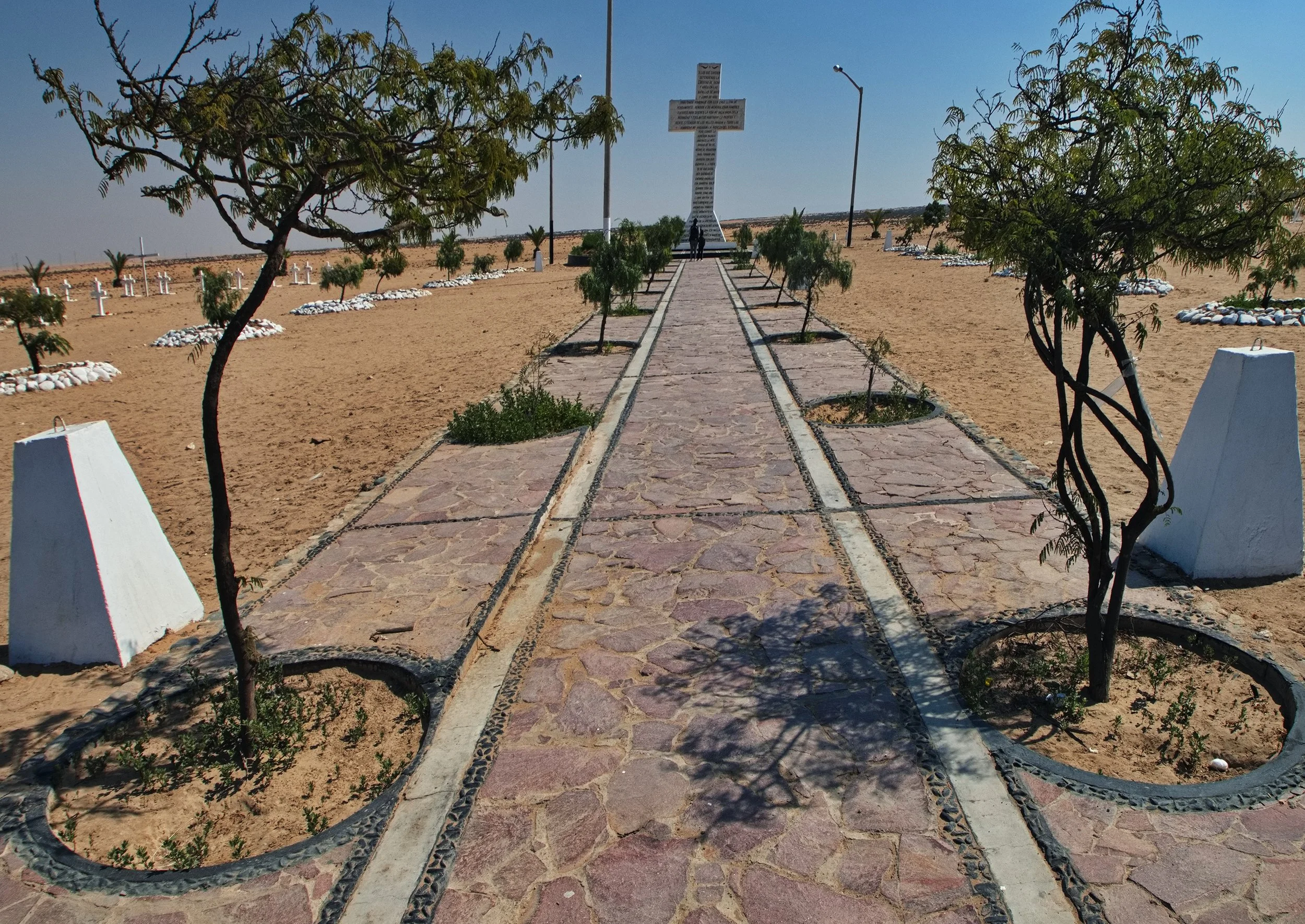
The Landscaped Park: Despite being in the middle of a desert, the park surrounding the monument is carefully maintained, offering a serene environment for reflection. The contrast between the manicured greenery and the surrounding dunes is striking.
Cultural Significance and National Identity
Beyond the dates and military tactics, El Conjunto Memorial Alto Alianza is a pillar of Peruvian cultural heritage. In Tacna, the memory of the war is particularly poignant because the city was under Chilean administration for nearly 50 years after the war before being returned to Peru in 1929.
Every year on May 26th, the plateau comes alive with thousands of people. Students, soldiers, and families gather for a massive pilgrimage to pay their respects. There are parades, speeches, and reenactments. For a visitor, being there on this day is an overwhelming experience of national pride and unity. Even on a quiet Tuesday afternoon, the silence of the desert carries a weight of respect that is palpable.
Navigating Your Trip: Logistics and Transportation
Reaching the memorial is relatively straightforward, but your choice of transportation can significantly impact your experience. The site is located about 8 kilometers north of Tacna’s city center.
The Traditional Taxi Route
Taxis are plentiful in Tacna. You can easily hail one from the Plaza de Armas or outside your hotel. However, there are a few things to keep in mind:
Negotiation is Key: Taxis in Tacna do not use meters. You must agree on a price before you get in. For tourists, some drivers might start with a higher "gringo price," so it helps to know that the fair should be reasonable for a 15-minute drive.
The Wait Time: Since the memorial is somewhat isolated, you’ll need to ask the driver to wait for you while you explore, or schedule a pickup time. Walking back to the main road is not recommended due to the heat and distance.
Payment: Most taxis are cash-only, so ensure you have small denominations of Soles.
Why InDrive is a Game-Changer
For a more modern and transparent experience, I highly recommend using a ride-hailing app like InDrive.
InDrive works differently than other apps because it allows for a "fair ride" negotiation. You suggest a price, and drivers can accept, decline, or counter-offer. This transparency eliminates the stress of haggling on the street. Furthermore, you can see the driver’s rating and the specific model of their car.
The Benefit of a Bigger Car:
If you are traveling with a family, a group of friends, or carrying photography gear/luggage, use the app to request a larger vehicle (like an SUV or a minivan). The road up to the plateau is paved but can feel cramped in a tiny city hatchback. A larger car provides:
Climate Control: The desert sun is intense. A larger, newer car is more likely to have powerful AC.
Comfort: You can relax and enjoy the vista of the desert dunes as you ascend.
Space for the "Leftovers": If you’re bringing that bag of food for the local dogs, you’ll appreciate the extra legroom!
Tips for an Unforgettable Visit
To make the most of your excursion to Alto de la Alianza, keep these pointers in mind:
Timing: Go early in the morning (around 8:00 AM or 9:00 AM) or late in the afternoon. The midday sun in the Tacna desert is punishing, and there is limited shade at the memorial itself.
Sun Protection: Wear a hat, high-SPF sunscreen, and sunglasses. The glare off the white stone of the monument and the sand can be very bright.
Hydration: Bring plenty of water. There are sometimes small vendors near the parking lot, but they aren't always there, especially on weekdays.
The Museum Schedule: Double-check the museum’s opening hours before heading out, as they can sometimes vary on holidays or for maintenance.
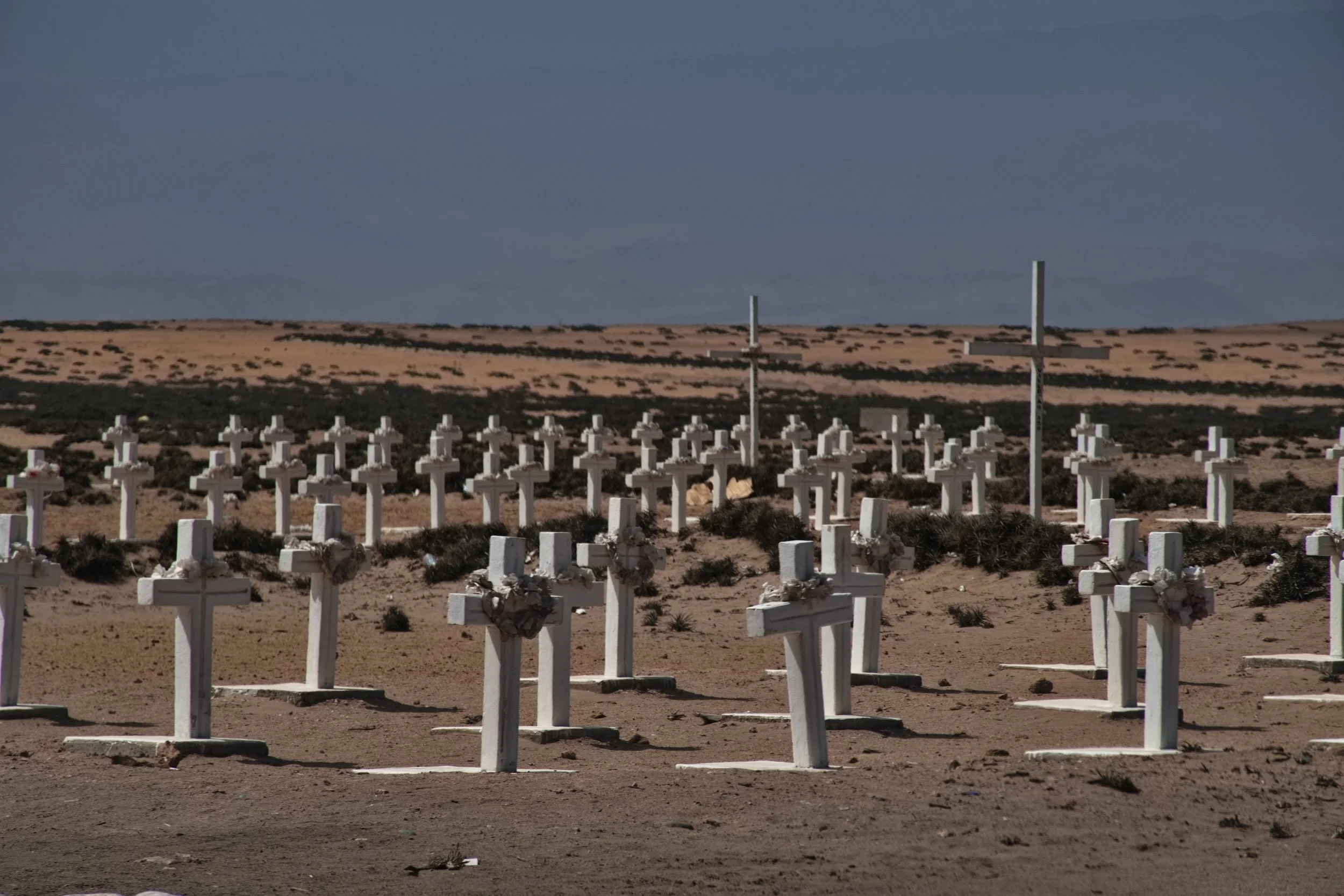
Respect the Silence: This is a memorial and a graveyard for many who were never identified. Keeping a low volume and showing respect for the monuments is expected.
Conclusion: A Place of Reflection
El Conjunto Memorial Alto Alianza is more than just a stop on a tourist map. It is a place that asks you to pause and consider the cost of peace and the depth of loyalty. Whether you are a history buff, an architecture enthusiast, or simply a traveler looking to see the "real" Peru, this site offers a profound experience.
As you head back down to the city in your InDrive, watching those friendly dogs disappear in the rearview mirror, you’ll carry with you a better understanding of why Tacna is so fiercely proud of its heritage. The desert may be dry, but the history here is rich, vibrant, and very much alive.