A Bolivian Cacao Story
The Golden Bean of Sapecho: A Legacy of Cooperation and Cacao
In the lush, humid gateway to the Bolivian Amazon lies Sapecho, a region in the Alto Beni that has become synonymous with some of the world’s finest organic cacao. The story of cacao in Sapecho is not merely one of agriculture, but a profound narrative of international cooperation, botanical resilience, and the triumph of small-scale farmers over the volatile global market. It is a story that began with a vision of sustainable development and has grown into a multi-million dollar export industry that defines the identity of the region.
The German Spark: Foundations of the Cacao Movement
The transformation of Sapecho into a cacao powerhouse traces back to the 1960s and 70s. During this era, the Bolivian government sought to colonize the "Yungas" and "Alto Beni" regions to alleviate population pressure in the Altiplano. However, the settlers—mostly Aymara and Quechua highlanders—faced the daunting challenge of farming in a tropical environment entirely foreign to them.
Recognizing the need for specialized knowledge and infrastructure, German non-governmental organizations (NGOs) and developmental agencies, notably those supported by the German government (such as the DED and later GIZ), stepped in. These organizations brought more than just funding; they brought technical expertise in tropical agroforestry. The German intervention was pivotal in establishing the first organized cacao nurseries. They focused on a model that favored the "Arriba" and "Forastero" varieties, ensuring that the crops were not only productive but also adapted to the specific microclimate of the Sapecho basin.
The most lasting legacy of this German cooperation was the emphasis on the cooperative model. Rather than encouraging individual large-scale plantations, they fostered the idea that smallholders could achieve economy of scale by working together. This philosophy laid the groundwork for what would eventually become "El Ceibo," the first federation of cacao cooperatives in Bolivia, which remains a global gold standard for fair trade and organic production.
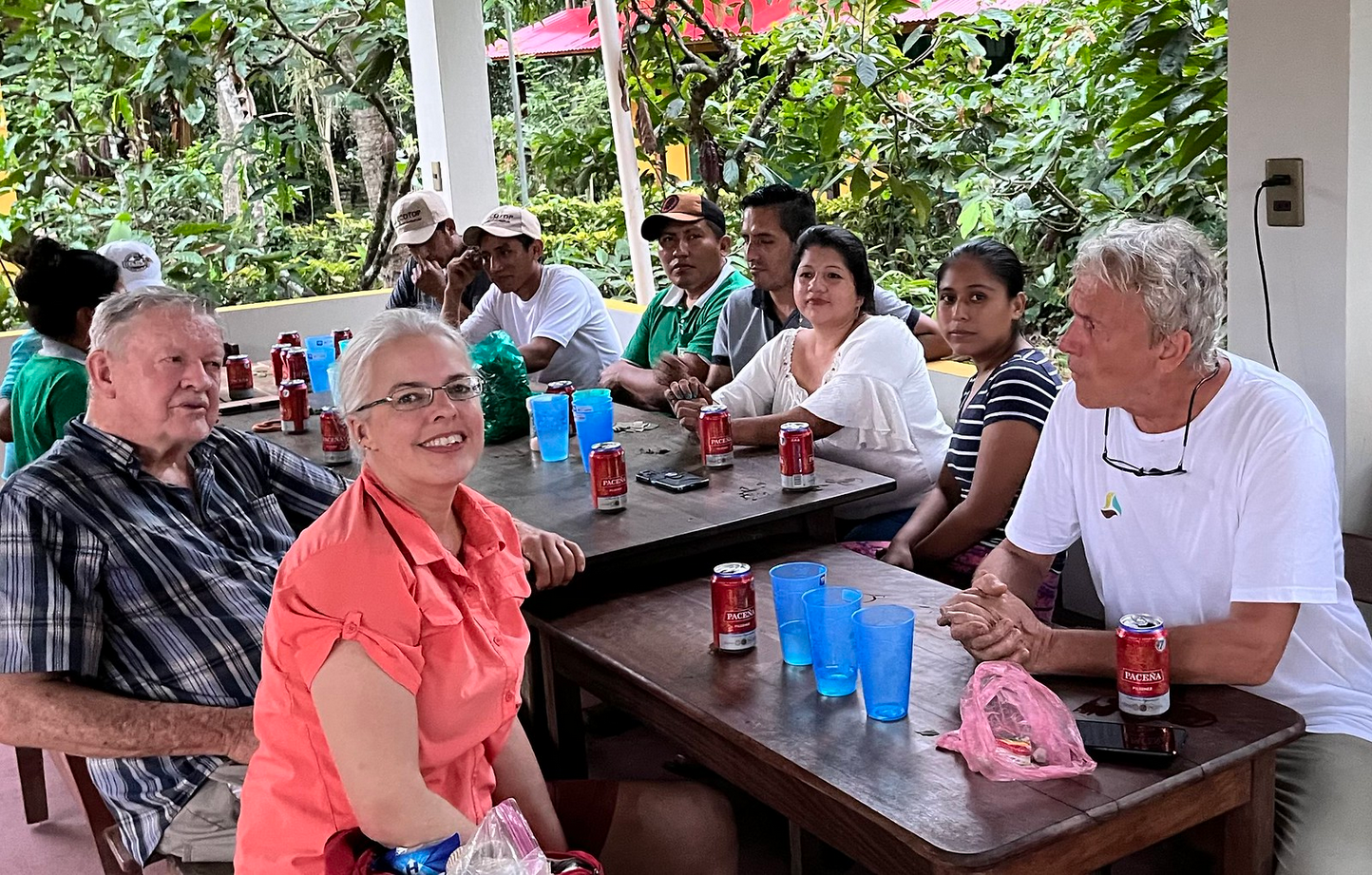
The Life of the Plant: From Seed to Shade
The cacao plant (Theobroma cacao) is a demanding resident of the Sapecho landscape. In this region, the plants thrive under a system known as "Successional Agroforestry." Unlike monoculture plantations that strip the land, Sapecho’s cacao grows beneath a canopy of taller trees—mahogany, cedar, and fruit trees like citrus and banana.
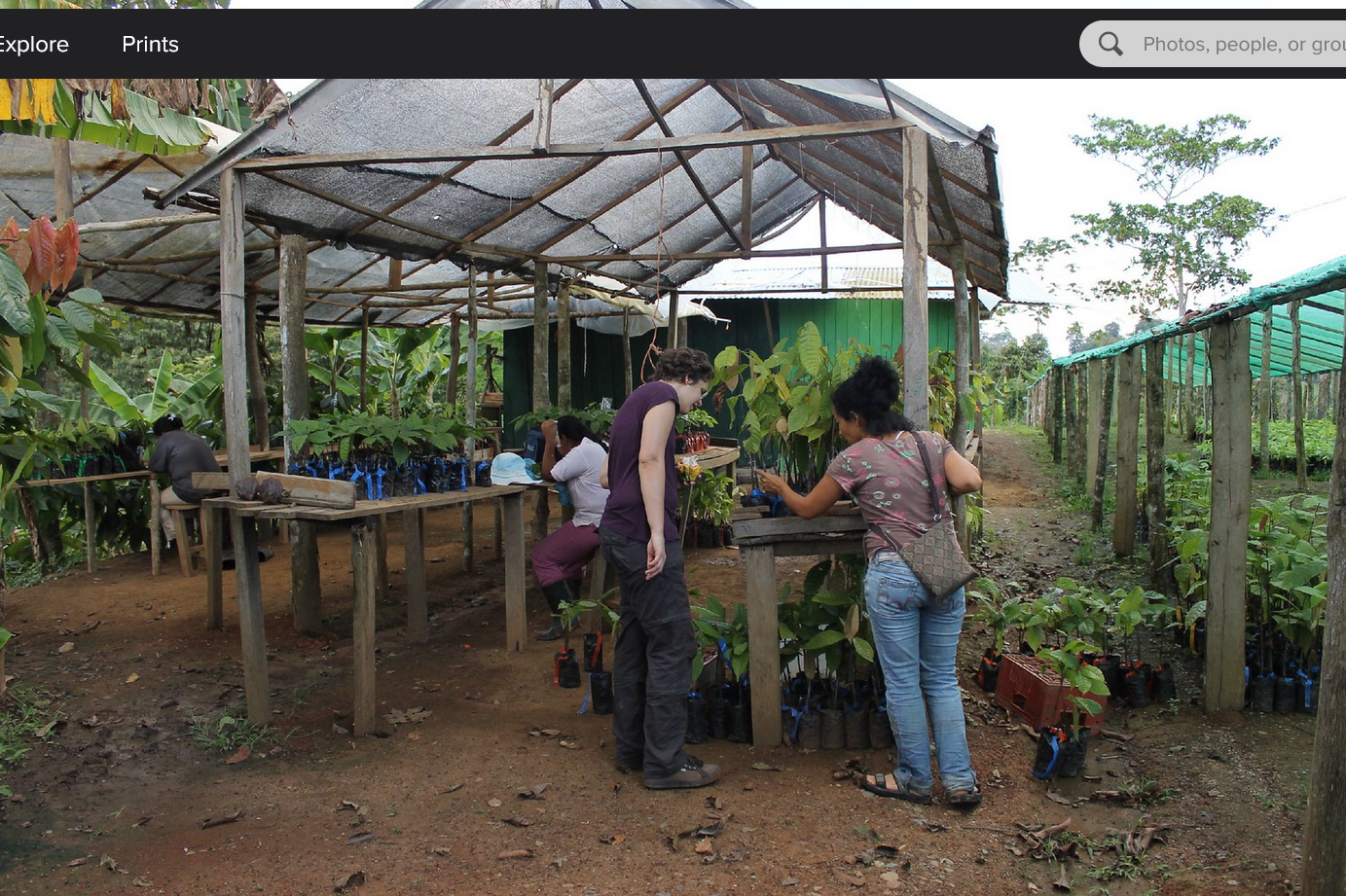
The botanical story starts in the nurseries, where seeds are carefully selected from "mother trees" known for their resistance to diseases like "Witches' Broom" (Moniliophthora perniciosa). The German-led initiatives taught farmers the art of grafting, allowing them to combine the hardy rootstocks of local varieties with the high-quality flavor profiles of premium clones.
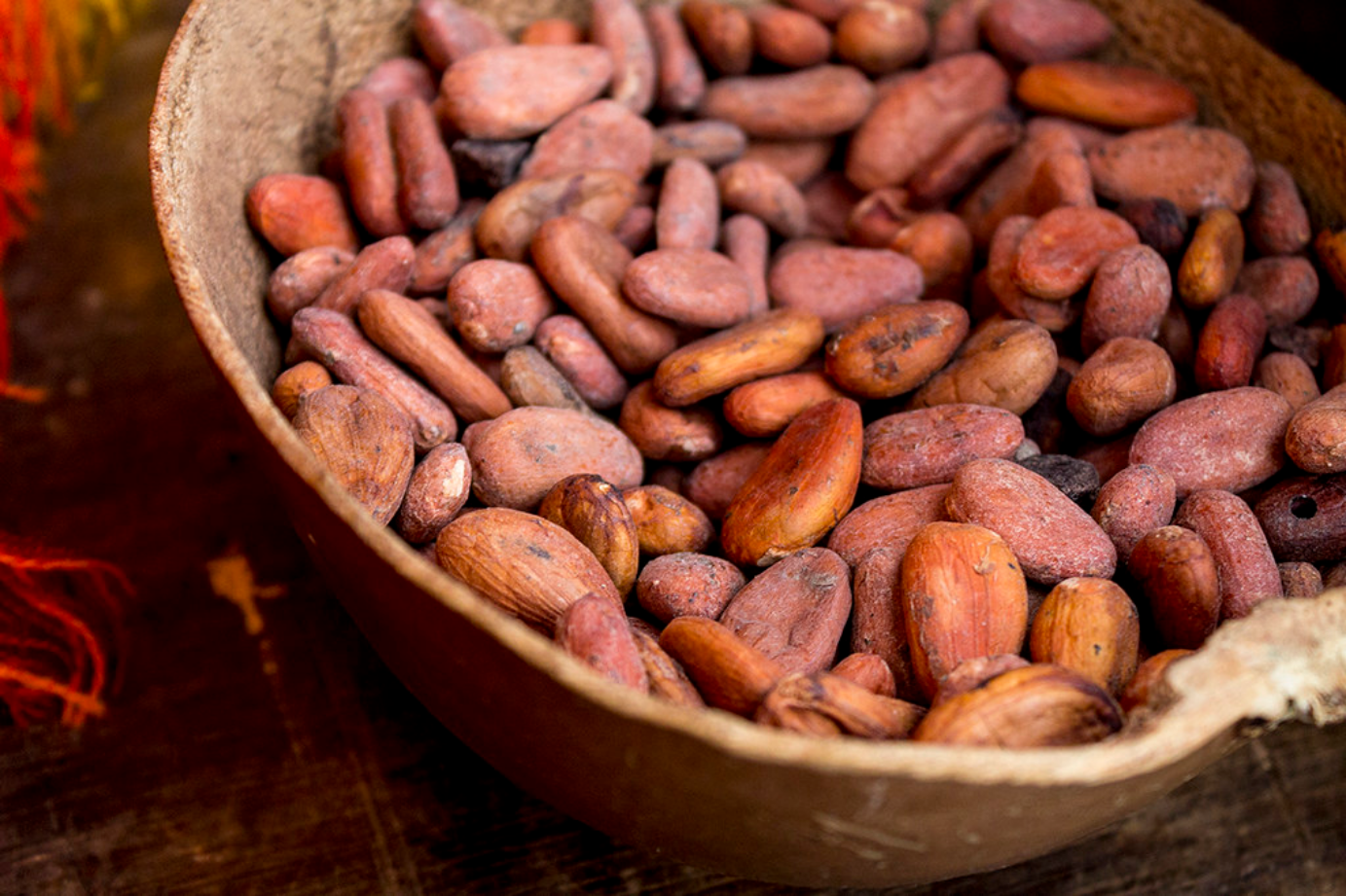
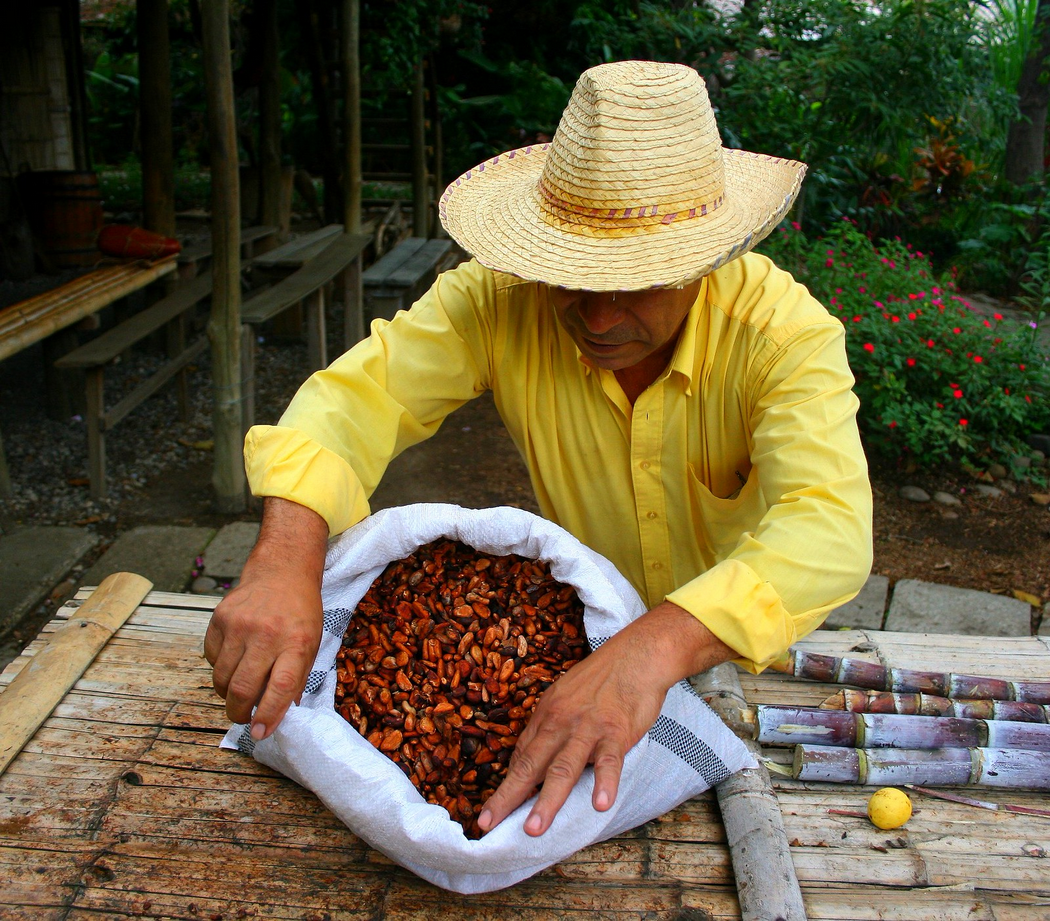
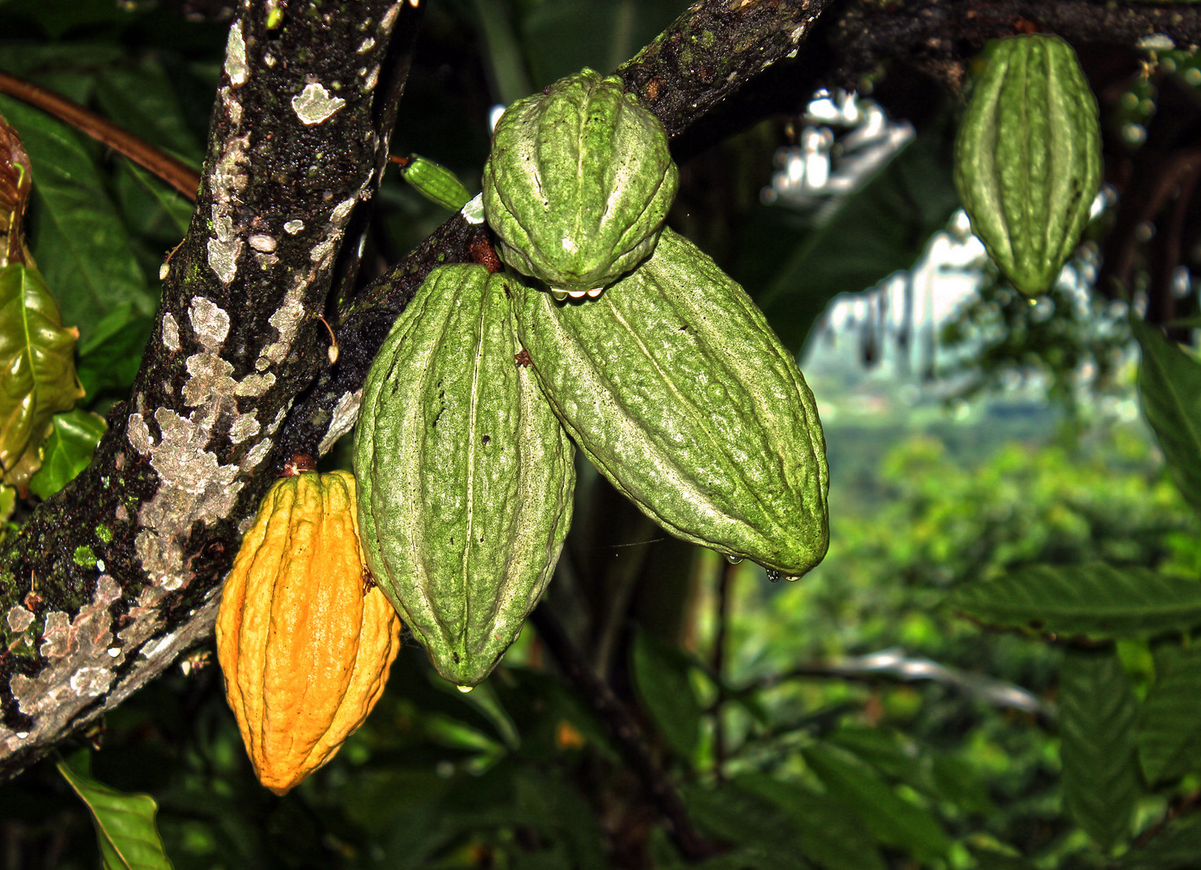
In Sapecho, the harvest is a seasonal rhythm. When the pods turn from green or deep purple to a vibrant yellow or orange, they are hand-picked. The "beans"—actually seeds encased in a sweet, white mucilage—are extracted and then undergo the most critical phase: fermentation. In Sapecho, this is done in wooden boxes for five to seven days. This process, perfected through decades of technical training, is where the complex chocolate aromas are born. Following fermentation, the beans are sun-dried on large wooden decks, ensuring a moisture content of around 7%, ideal for long-distance shipping.
The Business of Cacao: Sales and Global Exports
What began as a subsistence crop for highland migrants has evolved into a sophisticated commercial operation. The sale of Sapecho’s cacao is dominated by the cooperative structure. By bypassing traditional "middlemen" (rescatistas), farmers are able to retain a much higher percentage of the final sale price.
The export story of Sapecho is inextricably linked to the "El Ceibo" brand. In the late 1980s, Sapecho's farmers took a bold step: they stopped selling raw beans to multinational corporations and began processing their own chocolate. Today, Sapecho cacao is exported to elite markets in Germany, Switzerland, Italy, and the United States.
The "Organic" and "Fair Trade" certifications, heavily encouraged by early European partners, have been the keys to unlocking these markets. Consumers in Europe are willing to pay a premium for Sapecho cacao because it represents environmental conservation and social equity. Bolivia now ranks as a significant producer of "fine or flavor" cacao according to the International Cocoa Organization (ICCO), with the Alto Beni region, centered around Sapecho, providing the lion's share of this high-quality output.
Conclusion: A Sustainable Future
The cacao plantations of Sapecho represent a rare success story in international development. What started as a German-led pilot project has matured into a self-sustaining, farmer-led industry. Today, as the world faces a "chocolate crisis" due to climate change and aging trees in West Africa, Sapecho stands as a beacon of how agroforestry and cooperative management can protect both the planet and the livelihoods of those who till the soil. The "Golden Bean" of Sapecho is more than just a commodity; it is a symbol of Bolivian resilience and international friendship.

Die Goldene Bohne von Sapecho: Ein Vermächtnis aus Kooperation und Kakao
Im üppigen, feuchten Tiefland am Übergang zum bolivianischen Amazonas liegt Sapecho, eine Region im Alto Beni, die heute weltweit für hochwertigen Bio-Kakao bekannt ist. Die Geschichte des Kakaos in Sapecho ist weit mehr als eine rein landwirtschaftliche Chronik; es ist eine Erzählung über internationale Zusammenarbeit, botanische Ausdauer und den Erfolg von Kleinbauern auf dem globalen Markt. Diese Geschichte begann mit der Vision einer nachhaltigen Entwicklung und entwickelte sich zu einer millionenschweren Exportindustrie.
Der deutsche Impuls: Fundamente der Kakaobewegung
Die Verwandlung von Sapecho in ein Zentrum des Kakaoanbaus geht auf die 1960er und 70er Jahre zurück. Damals verfolgte die bolivianische Regierung das Ziel, die Regionen "Yungas" und "Alto Beni" zu besiedeln, um den Bevölkerungsdruck im Hochland (Altiplano) zu mildern. Die Siedler – meist Aymara und Quechua aus den Anden – standen jedoch vor der gewaltigen Herausforderung, in einem ihnen völlig fremden tropischen Klima Landwirtschaft zu betreiben.
Deutsche Nichtregierungsorganisationen (NGOs) und Entwicklungshelfer, insbesondere unterstützt durch die deutsche Regierung (wie den DED und später die GIZ), erkannten den Bedarf an Fachwissen und Infrastruktur. Diese Organisationen brachten nicht nur finanzielle Mittel, sondern vor allem technisches Know-how in der tropischen Agroforstwirtschaft mit. Die deutsche Intervention war entscheidend für den Aufbau der ersten organisierten Baumschulen für Kakao. Man konzentrierte sich auf ein Modell, das Sorten wie "Arriba" und "Forastero" bevorzugte, um sicherzustellen, dass die Pflanzen nicht nur ertragreich, sondern auch an das spezifische Mikroklima des Sapecho-Beckens angepasst waren.
Das nachhaltigste Erbe dieser deutschen Kooperation war jedoch die Betonung des Genossenschaftsmodells. Anstatt private Großplantagen zu fördern, verbreitete man die Idee, dass Kleinbauern durch Zusammenarbeit Skaleneffekte erzielen könnten. Diese Philosophie legte den Grundstein für "El Ceibo", den ersten Verband von Kakaogenossenschaften in Bolivien, der bis heute als globaler Goldstandard für fairen Handel und ökologische Produktion gilt.
Das Leben der Pflanze: Von der Saat zum Schatten
Die Kakaopflanze (Theobroma cacao) ist ein anspruchsvoller Bewohner der Sapecho-Landschaft. In dieser Region gedeihen die Pflanzen unter einem System, das als "sukzessive Agroforstwirtschaft" bekannt ist. Im Gegensatz zu Monokulturen, die den Boden auslaugen, wächst der Kakao in Sapecho im Schatten größerer Bäume wie Mahagoni, Zeder sowie Zitrus- und Bananenbäumen.
Die botanische Geschichte beginnt in den Baumschulen, wo Samen sorgfältig von "Mutterbäumen" ausgewählt werden, die für ihre Resistenz gegen Krankheiten wie die "Hexenbesen-Krankheit" (Moniliophthora perniciosa) bekannt sind. Die von Deutschland initiierten Projekte lehrten die Bauern die Kunst des Pfropfens. Dies ermöglichte es ihnen, die widerstandsfähigen Wurzelstöcke lokaler Sorten mit den hochwertigen Aromaprofilen von Premium-Klonen zu kombinieren.
In Sapecho folgt die Ernte einem saisonalen Rhythmus. Wenn sich die Schoten von Grün oder Dunkelviolett in ein leuchtendes Gelb oder Orange verwandeln, werden sie von Hand gepflückt. Die "Bohnen" – eigentlich Samen, die in ein süßes, weißes Fruchtfleisch gehüllt sind – werden extrahiert und durchlaufen dann die wichtigste Phase: die Fermentation. In Sapecho geschieht dies fünf bis sieben Tage lang in Holzkisten. In diesem Prozess entstehen die komplexen Schokoladenaromen. Danach werden die Bohnen auf großen Holzdecks in der Sonne getrocknet, bis sie eine Feuchtigkeit von etwa 7 % erreichen – ideal für den Transport nach Übersee.
Das Geschäft mit dem Kakao: Vertrieb und Weltexport
Was als Subsistenzwirtschaft für Migranten aus dem Hochland begann, hat sich zu einem hochmodernen Wirtschaftsbetrieb entwickelt. Der Verkauf des Kakaos aus Sapecho wird durch die Genossenschaftsstrukturen dominiert. Durch die Umgehung traditioneller Zwischenhändler (rescatistas) können die Bauern einen wesentlich höheren Prozentsatz des Endverkaufspreises behalten.
Die Exportgeschichte von Sapecho ist untrennbar mit der Marke "El Ceibo" verbunden. Ende der 1980er Jahre wagten die Bauern von Sapecho einen mutigen Schritt: Sie hörten auf, nur Rohbohnen an multinationale Konzerne zu verkaufen, und begannen mit der eigenen Verarbeitung zu Schokolade. Heute wird Kakao aus Sapecho in Elite-Märkte in Deutschland, der Schweiz, Italien und den USA exportiert.
Die Zertifizierungen für "Bio" und "Fairen Handel", die von den frühen europäischen Partnern massiv gefördert wurden, waren der Schlüssel zu diesen Märkten. Konsumenten in Europa sind bereit, einen Aufpreis für Sapecho-Kakao zu zahlen, weil er für Umweltschutz und soziale Gerechtigkeit steht. Bolivien wird heute von der International Cocoa Organization (ICCO) als bedeutender Produzent von Edelkakao ("fine or flavor") geführt, wobei die Region Alto Beni rund um Sapecho den Löwenanteil dieser Qualitätsproduktion liefert.
Fazit: Eine nachhaltige Zukunft
Die Kakaoplantagen von Sapecho stellen eine seltene Erfolgsgeschichte der internationalen Entwicklungszusammenarbeit dar. Was als deutsch geführtes Pilotprojekt begann, ist zu einer eigenständigen, von Bauern geführten Industrie herangewachsen. In einer Zeit, in der die Welt aufgrund des Klimawandels mit einer "Schokoladenkrise" konfrontiert ist, steht Sapecho als leuchtendes Beispiel dafür, wie Agroforstwirtschaft und genossenschaftliche Verwaltung sowohl den Planeten als auch die Lebensgrundlage derer schützen können, die den Boden bestellen.
El Grano de Oro de Sapecho: Un Legado de Cooperación y Cacao
En la exuberante y húmeda puerta de entrada a la Amazonía boliviana se encuentra Sapecho, una región en el Alto Beni que se ha convertido en sinónimo de algunos de los mejores cacaos orgánicos del mundo. La historia del cacao en Sapecho no es simplemente una crónica agrícola, sino una narrativa profunda de cooperación internacional, resiliencia botánica y el triunfo de los pequeños agricultores frente a la volatilidad del mercado global. Es una historia que comenzó con una visión de desarrollo sostenible y ha crecido hasta convertirse en una industria de exportación multimillonaria que define la identidad de la región.
La Chispa Alemana: Cimientos del Movimiento Cacaotero
La transformación de Sapecho en una potencia del cacao se remonta a las décadas de 1960 y 1970. Durante esta era, el gobierno boliviano buscó colonizar las regiones de los "Yungas" y el "Alto Beni" para aliviar la presión demográfica en el Altiplano. Sin embargo, los colonos —en su mayoría aymaras y quechuas de las tierras altas— enfrentaron el enorme desafío de cultivar en un entorno tropical totalmente ajeno para ellos.
Reconociendo la necesidad de conocimientos especializados e infraestructura, las organizaciones no gubernamentales (ONG) alemanas y las agencias de desarrollo, notablemente aquellas apoyadas por el gobierno alemán (como el DED y más tarde la GIZ), intervinieron. Estas organizaciones aportaron más que financiamiento; trajeron experiencia técnica en agroforestería tropical. La intervención alemana fue fundamental para establecer los primeros viveros de cacao organizados. Se enfocaron en un modelo que favorecía las variedades de tipo "Arriba" y "Forastero", asegurando que los cultivos no solo fueran productivos, sino que estuvieran adaptados al microclima específico de la cuenca de Sapecho.
El legado más duradero de esta cooperación alemana fue el énfasis en el modelo cooperativo. En lugar de fomentar grandes plantaciones individuales, promovieron la idea de que los pequeños propietarios podían lograr economías de escala trabajando juntos. Esta filosofía sentó las bases de lo que eventualmente se convertiría en "El Ceibo", la primera federación de cooperativas de cacao en Bolivia, que sigue siendo un estándar de oro mundial para el comercio justo y la producción orgánica.
La Vida de la Planta: De la Semilla a la Sombra
La planta de cacao (Theobroma cacao) es un residente exigente del paisaje de Sapecho. En esta región, las plantas prosperan bajo un sistema conocido como "Agroforestería Sucesional". A diferencia de los monocultivos que agotan la tierra, el cacao de Sapecho crece bajo un dosel de árboles más altos: caoba, cedro y árboles frutales como cítricos y bananos.
La historia botánica comienza en los viveros, donde las semillas son cuidadosamente seleccionadas de "árboles madre" conocidos por su resistencia a enfermedades como la "Escoba de Bruja" (Moniliophthora perniciosa). Las iniciativas lideradas por alemanes enseñaron a los agricultores el arte del injerto, permitiéndoles combinar los robustos patrones de variedades locales con los perfiles de sabor de alta calidad de clones premium.
En Sapecho, la cosecha sigue un ritmo estacional. Cuando las mazorcas cambian de verde o morado oscuro a un amarillo o naranja vibrante, se recolectan a mano. Los "granos" —en realidad semillas envueltas en un mucílago blanco y dulce— se extraen y luego pasan por la fase más crítica: la fermentación. En Sapecho, esto se hace en cajones de madera durante cinco a siete días. En este proceso es donde nacen los complejos aromas del chocolate. Tras la fermentación, los granos se secan al sol en grandes plataformas de madera, asegurando un contenido de humedad de alrededor del 7%, ideal para el transporte a larga distancia.
El Negocio del Cacao: Ventas y Exportaciones Globales
Lo que comenzó como un cultivo de subsistencia para los migrantes andinos ha evolucionado hacia una operación comercial sofisticada. La venta del cacao de Sapecho está dominada por la estructura cooperativa. Al evitar a los intermediarios tradicionales o "rescatistas", los agricultores pueden retener un porcentaje mucho mayor del precio de venta final.
La historia de exportación de Sapecho está indisolublemente ligada a la marca "El Ceibo". A finales de la década de 1980, los agricultores de Sapecho dieron un paso audaz: dejaron de vender granos crudos a corporaciones multinacionales y comenzaron a procesar su propio chocolate. Hoy en día, el cacao de Sapecho se exporta a mercados de élite en Alemania, Suiza, Italia y Estados Unidos.
Las certificaciones de "Orgánico" y "Comercio Justo", fomentadas intensamente por los primeros socios europeos, han sido las llaves para abrir estos mercados. Los consumidores en Europa están dispuestos a pagar un sobreprecio por el cacao de Sapecho porque representa la conservación del medio ambiente y la equidad social. Bolivia ahora figura como un productor significativo de cacao "fino o de aroma" según la Organización Internacional del Cacao (ICCO), siendo la región del Alto Beni, con centro en Sapecho, la que aporta la mayor parte de esta producción de alta calidad.
Conclusión: Un Futuro Sostenible
Las plantaciones de cacao de Sapecho representan una historia de éxito poco común en el desarrollo internacional. Lo que comenzó como un proyecto piloto liderado por Alemania ha madurado hasta convertirse en una industria autosostenible dirigida por los propios agricultores. El "Grano de Oro" de Sapecho es más que una simple mercancía; es un símbolo de la resiliencia boliviana y de la amistad internacional.

High-Protein Hot Chocolate
Whether you're looking for a post-workout recovery drink or a comforting daily ritual, getting enough protein is a year-round priority. Almost everything comes with extra protein now, so why not upgrade your favorite chocolate treat as well? This high-protein hot chocolate is the perfect way to make good use of that giant tub of chocolate protein powder in your pantry, no matter the season.
Once you blend it with melted chocolate, cocoa powder, the milk of your choice, and a little pinch of salt, you’ll hardly notice that you’re hitting your macros and maintaining those gains while enjoying a rich, velvety mug.
🇺🇸 Nutritional Notes
Milk Choice: Using whole milk adds even more protein, but even with non-dairy picks, you’ll get at least 12 grams of protein per cup (depending on the brand).
Protein Powder: Orgain is recommended for a cleaner taste without the "protein" aftertaste, though whey-based powders generally offer a higher protein count per scoop.
Prep time: 5 mins
Servings: 1
Ingredients
1/2 cup water
1/2 cup whole or plant-based milk
1 Tbsp. dark chocolate chips
1 scoop chocolate protein powder
2 tsp. unsweetened cocoa powder
Pinch of kosher salt
Marshmallows and/or whipped cream, for serving
Directions
Heat the Base: In a small saucepan over medium heat, cook water and milk until slightly steaming.
Melt the Chocolate: Whisk in the dark chocolate chips until completely melted.
Combine Powders: Add the protein powder, cocoa powder, and salt. Whisk vigorously until the powders are fully dissolved and the mixture is smooth.
Serve: Pour the hot chocolate into a mug. Top with marshmallows and/or whipped cream if desired.
🇩🇪 Ernährungshinweise
Milchauswahl: Die Verwendung von Vollmilch fügt noch mehr Protein hinzu, aber selbst mit pflanzlichen Alternativen erhalten Sie mindestens 12 Gramm Protein pro Tasse (je nach Marke).
Proteinpulver: Orgain wird für einen sauberen Geschmack ohne den typischen „Protein“-Nachgeschmack empfohlen, obwohl Pulver auf Molkenbasis (Whey) im Allgemeinen mehr Gramm Protein pro Messlöffel enthalten.
Zubereitungszeit: 5 Min.
Portionen: 1
Zutaten
1/2 Tasse Wasser
1/2 Tasse Vollmilch oder pflanzliche Milch
1 EL dunkle Schokoladenchips
1 Messlöffel Schokoladen-Proteinpulver
2 TL ungesüßtes Kakaopulver
Eine Prise koscheres Salz
Marshmallows und/oder Schlagsahne zum Servieren
Anweisungen
Basis erhitzen: Wasser und Milch in einem kleinen Topf bei mittlerer Hitze erhitzen, bis es leicht dampft.
Schokolade schmelzen: Schokoladenchips einrühren, bis sie vollständig geschmolzen sind.
Pulver vermengen: Proteinpulver, Kakaopulver und Salz hinzufügen. Kräftig rühren, bis das Pulver vollständig aufgelöst und die Mischung glatt ist.
Servieren: Den Kakao in eine Tasse gießen. Nach Belieben mit Marshmallows und/oder Schlagsahne garnieren.
🇧🇴 Notas Nutricionales
Elección de Leche: El uso de leche entera añade aún más proteínas, pero incluso con opciones no lácteas, obtendrás al menos 12 gramos de proteína por taza (según la marca).
Proteína en Polvo: Se recomienda la marca Orgain para un sabor más limpio sin el regusto a "proteína", aunque las proteínas de suero (whey) suelen tener más gramos de proteína por ración.
Tiempo de preparación: 5 min
Porciones: 1
Ingredientes
1/2 taza de agua
1/2 taza de leche entera o vegetal
1 cucharada de chispas de chocolate amargo
1 medida (scoop) de proteína en polvo de chocolate
2 cucharaditas de cacao en polvo sin azúcar
Una pizca de sal kosher
Malvaviscos y/o crema batida, para servir
Instrucciones
Calentar la base: En una cacerola pequeña a fuego medio, caliente el agua y la leche hasta que empiece a salir vapor.
Derretir el chocolate: Agregue las chispas de chocolate y revuelva hasta que se derritan por completo.
Combinar los polvos: Añada la proteína en polvo, el cacao y la sal. Batir enérgicamente hasta que los polvos se disuelvan y la mezcla esté suave.
Servir: Vierta el chocolate caliente en una taza. Decore con malvaviscos y/o crema batida si lo desea.